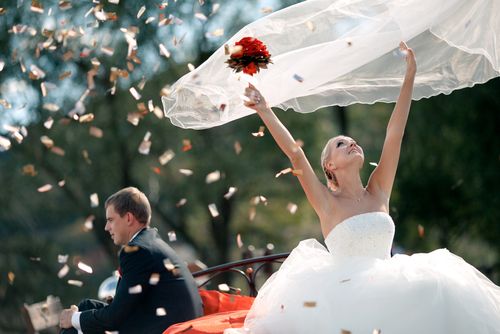
The bouquet toss is a beloved wedding tradition that has stood the test of time. It is a playful and joyous moment that adds excitement to the wedding reception, involving the bride tossing her bouquet to a group of single women, with the belief that whoever catches it will be the next to marry. This custom has deep historical roots and has evolved significantly over the centuries.
Origins of the Bouquet Toss
The tradition of the bouquet toss can be traced back to medieval Europe, although its exact origins are somewhat murky. During this time, weddings were seen as good luck, and guests often sought to take home a piece of the bride’s attire as a charm for their own fortune. This often led to chaotic scenes where guests would literally tear at the bride's dress to obtain a piece of it.
To protect the bride and maintain decorum, a diversion was created: the bride would throw her garter into the crowd. Over time, as fashions and customs evolved, the garter toss gave way to the bouquet toss. The bouquet, symbolizing fertility and new beginnings, became a more appropriate and less intrusive item to throw.
Evolution Through the Ages
As the bouquet toss tradition evolved, it became embedded in the wedding rituals of various cultures, each adding its unique spin. During the Victorian era, the bouquet became a more prominent symbol of purity and romance, often composed of flowers with specific meanings, such as roses for love and lilies for purity.
In some cultures, the bouquet toss was not just about fun and games but carried significant superstitions. For example, in certain European traditions, it was believed that the act of catching the bouquet could bring good luck and even ward off evil spirits. This belief reinforced the practice, ensuring its continued place in wedding ceremonies.
The Bouquet Toss in Modern Weddings
In contemporary Western weddings, the bouquet toss has become a staple, often occurring towards the end of the reception. It is seen as a light-hearted and fun activity that involves all the single women at the event. The tradition maintains the original belief that the woman who catches the bouquet will be the next to marry, adding an element of anticipation and excitement.
Modern brides often personalize this tradition in various ways. Some choose to toss a smaller, less elaborate bouquet specifically for the event, preserving their main bouquet as a keepsake. Others opt to forgo the tradition altogether, viewing it as outdated or choosing alternative ways to involve their guests.
Symbolism and Superstition
The bouquet toss, while seemingly a simple and fun tradition, carries with it layers of symbolism and superstition. The bouquet itself represents fertility, beauty, and the blooming of new life, making it a fitting object for this ritual. Tossing the bouquet signifies the bride sharing her joy and good fortune with her friends.
For the single women participating, catching the bouquet is more than just winning a game. It symbolizes hope, the potential for future love, and the continuation of the cycle of weddings and marriages. This blend of playful competition and deep-seated symbolism is what gives the bouquet toss its enduring appeal.
Modern Alternatives and Trends
While the bouquet toss remains popular, some modern brides are choosing alternatives that better suit their personal tastes or the tone of their wedding. For instance, some opt for a "bouquet presentation," where the bride gives her bouquet to a special friend or family member, symbolizing gratitude and affection.
Another modern twist is the "anniversary dance," where married couples are invited to the dance floor, and the last couple remaining receives the bouquet. This honors long-lasting love and commitment, shifting the focus from singleness to the celebration of enduring relationships.
The bouquet toss is a tradition rich in history and symbolism. It reflects changing cultural attitudes towards marriage, luck, and the role of women in society. Whether viewed as a fun activity or a meaningful ritual, the bouquet toss continues to bring joy and excitement to weddings, connecting the past with the present in a timeless celebration of love and hope.