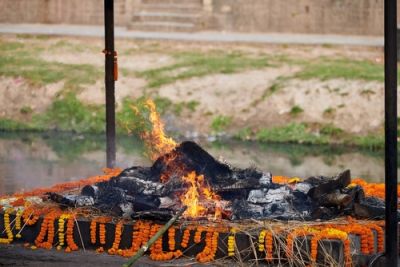
Funerals are deeply personal events that reflect the cultural, religious, and societal values of the communities in which they occur. While most funeral practices are steeped in tradition and widely accepted, some rites stir controversy and debate due to their unique or unconventional nature.
Sky Burials in Tibet
One of the most visually striking and controversial funeral practices is the Tibetan sky burial. Predominantly practiced in the mountainous regions of Tibet, this ritual involves placing the deceased on a mountaintop to decompose naturally or to be eaten by scavenging birds, such as vultures. This practice is rooted in Buddhist beliefs in the transience of life and the importance of returning the body to nature. However, to outsiders, the method can seem stark or unsettling, and its graphic nature often sparks discussions on human dignity and respect for the dead.
Fantasy Coffins in Ghana
In Ghana, particularly among the Ga people, funerals are vibrant affairs with elaborately designed coffins that reflect the deceased's life or aspirations. These "fantasy coffins" can be shaped like cars, animals, fruits, or any object that was significant to the deceased. While many celebrate this practice as a profound expression of personal legacy and craft, others debate whether the flamboyant display undermines the solemnity traditionally associated with funerals.
The New Orleans Jazz Funeral
Blending African, French, and American traditions, the jazz funeral in New Orleans is famous for its procession accompanied by a brass band. The music starts with a somber tone during the march to the burial site and shifts to an upbeat jazz celebration on the way back, reflecting a journey from grief to joy. While many see this as a beautiful expression of life and afterlife, some view the celebratory aspect of the jazz funeral as inappropriate for the gravity of death.
Endocannibalism among the Yanomami
The Yanomami, an indigenous tribe in the Amazon rainforest, practice a form of endocannibalism as a funeral rite, where they consume the ashes of cremated tribe members. This ritual is seen as a way to forge a permanent connection with the deceased, keeping their spirit within the tribe. Outsiders often find this practice controversial due to its stark contrast with more common funeral practices and general taboos around cannibalism.
Viking Ship Burials
Though largely historical, the Viking ship burial was a dramatic practice where the deceased, especially notable warriors or chieftains, were laid in a boat filled with possessions, weapons, and sometimes even sacrificed slaves, and sent out to sea or set on fire. Modern recreations of this ritual have sparked debates over authenticity, the glorification of past violence, and the ethical implications of using human remains and artifacts in such displays.
The Turning of the Bones in Madagascar
In Madagascar, the Malagasy practice "Famadihana," or "the turning of the bones," involves exhuming the wrapped bodies of ancestors, rewrapping them in fresh cloth, and dancing with the corpses to live music. This rite is a celebration meant to maintain a link between the living and the dead, but it often raises eyebrows among those who view graves as sacred and final resting places.
Cryonic Preservation
Advancements in technology have given rise to cryonics: freezing the body of the deceased in the hope that future scientific breakthroughs can bring them back to life. This modern practice challenges traditional concepts of death and afterlife and sparks debates on the ethics of attempting to reverse death, the nature of consciousness, and the allocation of scientific resources.
Each of these controversial funeral practices holds deep meaning for those who practice them, embodying beliefs about life, death, and the hereafter. While they may seem unusual or provocative to outsiders, understanding these customs broadens our perspectives on the diverse ways humanity honors the deceased, navigates grief, and celebrates life.